

What I Learned on the 2025 AFF Safe Fruits & Veggies Farm Tour
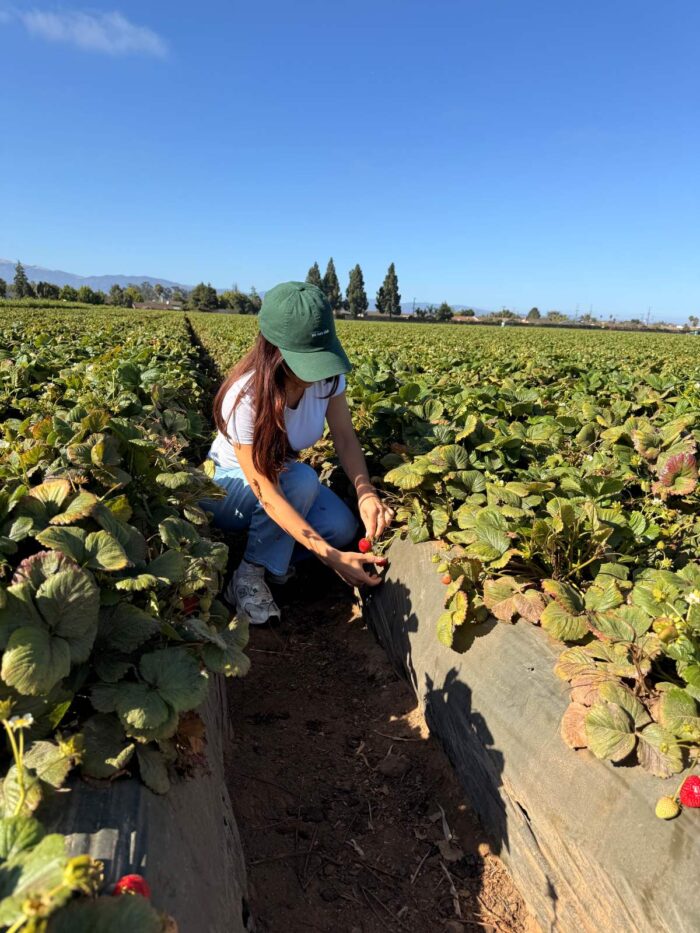
Earlier this month, I had the opportunity to join the Alliance for Food and Farming’s (AFF) Safe Fruits & Veggies Farm Tour in the Salinas Valley, California. Alongside other media dietitians, I spent several days going behind the scenes at strawberry, romaine, and broccoli rabe farms, as well as research and processing facilities.
As someone who communicates about food and nutrition every day, I’ve seen how misinformation about produce safety spreads quickly online—often leaving consumers confused or fearful about their food choices. This tour gave me the chance to see firsthand the science, innovation, and care that farmers and farming companies put into growing safe, nutritious fruits and vegetables.
Beneficial Pests and Biodiversity at Naturipe
One of the most eye-opening parts of the tour was learning about biodiversity on the farm. At Naturipe, a licensed pest control advisor walked us through how farms are managed as ecosystems, where every plant, insect, and practice affects the health of the crops.
We learned about beneficial insects—the “good bugs” that protect crops by keeping harmful pests in check. Rather than relying solely on chemical pesticides, these beneficial insects are integrated into pest management plans. This approach helps balance the ecosystem and supports sustainable farming practices. It also underscored an important point for me: modern farming isn’t about “chemicals vs. no chemicals”—it’s about using science, data, and nature itself to protect crops while preserving food safety.
Romaine and Broccoli Rabe at D’Arrigo California
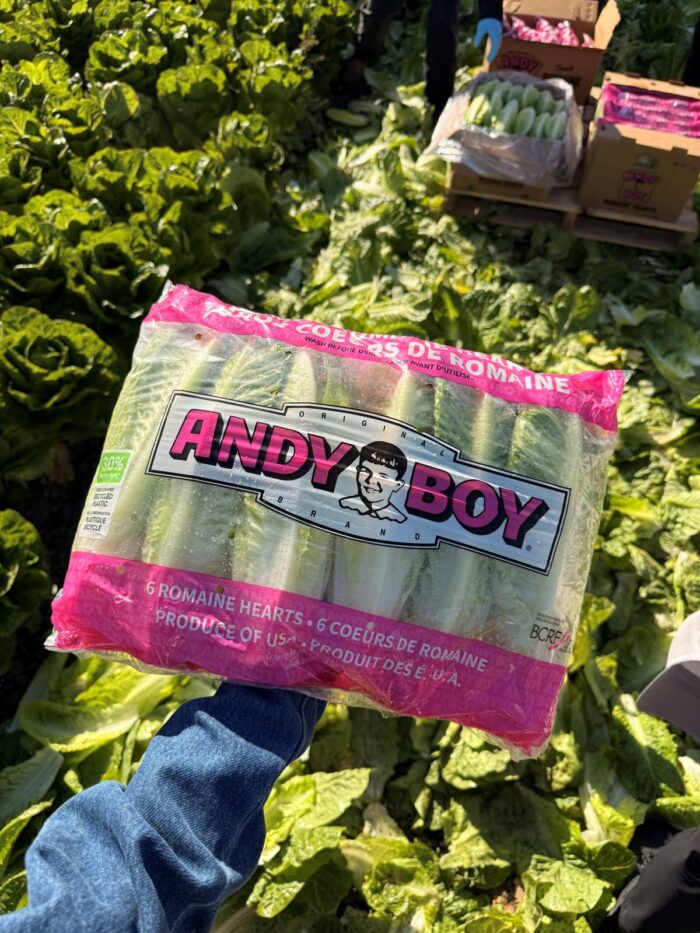
Our time at D’Arrigo California focused on romaine and broccoli rabe. We had the chance to watch romaine being harvested both manually and with automated harvest machines. These machines don’t eliminate jobs but instead make harvesting safer and more efficient, reducing the physical strain on workers and allowing them to focus on quality.
We also saw how leftover romaine leaves are “disced” back into the soil after harvest. This practice enriches the soil with organic matter, reduces food waste, and supports long-term soil health. Standing in the field, it was easy to see how these practices connect sustainability with consumer safety and nutrition.
Another highlight was learning about varietal development in D’Arrigo’s seed lab. Developing a new variety of lettuce or broccoli rabe can take years of careful research, testing, and refinement. It’s not just about yield—it’s about flavor, nutrition, disease resistance, and consumer preferences. By the time a new variety makes it to grocery store shelves, it has gone through extensive trials to ensure quality and safety.
Why This Matters: Misinformation vs. Reality
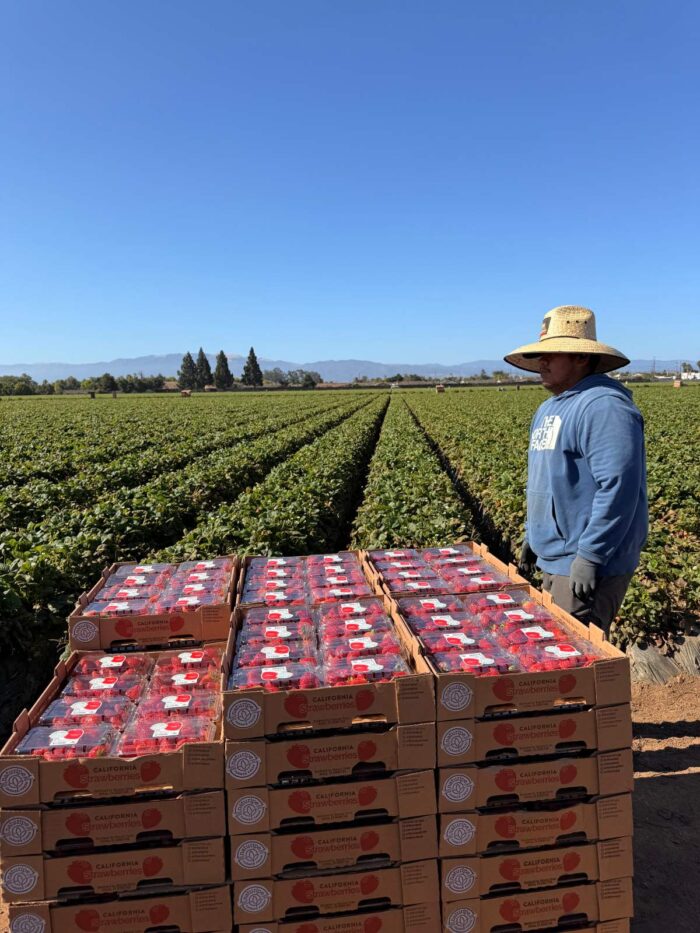
Throughout the tour, one theme kept coming up: the widespread misinformation about produce safety. From social media trends to annual lists like the so-called “Dirty Dozen,” many consumers are left worrying that conventionally grown fruits and vegetables are unsafe.
But here’s what the science—and what we saw firsthand—shows:
- Both organic and conventional produce are safe. Farmers follow strict, science-based standards for pesticide use, with multiple levels of oversight and testing.
- The health risks of not eating enough produce far outweigh any concerns about pesticide residues. Decades of research show that higher fruit and vegetable intake is linked to reduced risk of chronic diseases, better weight management, and improved overall health.
- Farmers take pride in producing safe food. Every farmer, scientist, and facility manager we met spoke about their responsibility to deliver nutritious, high-quality produce to families across the country.
As dietitians and health communicators, our role is to bridge that gap between the farm and the consumer—to reassure people with evidence-based information and help them feel confident in choosing more fruits and vegetables, not fewer.
Final Reflections
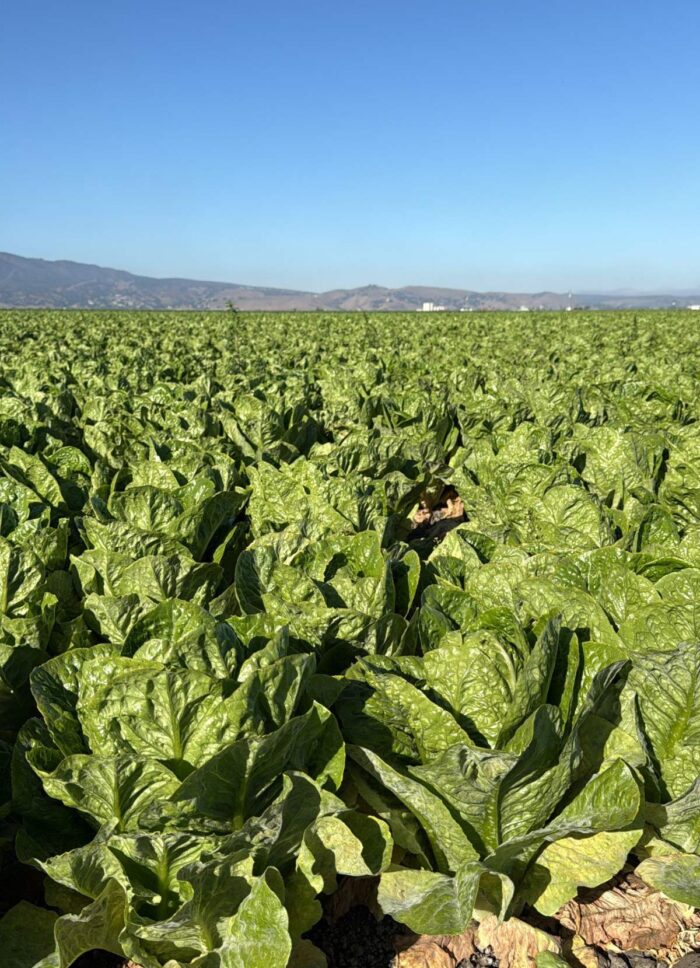
Walking away from the tour, I felt a renewed sense of purpose in my work. Seeing the innovation, biodiversity, and care happening in the fields of Salinas Valley brought the science to life in a way that research papers alone can’t.
The bottom line is simple: whether organic or conventional, fruits and vegetables grown in the U.S. are safe, nutrient-dense, and essential for good health.
If every consumer could see what we saw, I believe much of the misinformation around produce safety would lose its influence. Since that isn’t realistic, the next best thing is sharing these experiences and evidence-based messages widely.
For more information and resources, visit Safe Fruits and Veggies or follow @safeproduce.





The focus on beneficial insects as part of integrated pest management really highlights how farming can work with nature rather than against it. It’s refreshing to see such transparency from the industry, which can help counter the misinformation consumers often encounter. After a day of learning about sustainable agriculture, I find it helpful to unwind with free asmr https://freeasmr.net for a moment of calm.
Learning how farms manage ecosystems with beneficial insects really shifts the perspective on produce safety—it’s reassuring to see such integrated pest management in action. For those wanting to track their own produce batches or streamline labeling, tools like https://www.bulkbarcodegenerator.pro make it easy to generate barcodes for traceability without extra costs.
The biodiversity approach you described—especially using beneficial insects in pest management—shows how farms can work with nature instead of against it. It reminds me of how AI is being used to model ecosystem interactions, and if you’re curious about affordable tools for such analysis, https://www.freeailist.org lists many with free tiers.
Learning how farms rely on beneficial insects and biodiversity to create balance was a great reminder that our environments thrive on thoughtful, natural alignment—something I also keep in mind when arranging a bedroom for better energy flow. If you’re curious about bringing that same harmony into your own space, the approach at https://fengshuibedroomdesign.com fits right in.
The detail about beneficial insects being built into pest management plans rather than relying only on chemical sprays was the most useful takeaway for me. It makes me think about how often quick online judgments—whether about produce safety or even appearance-rating tools like https://pslrating.me—skip the context that actually matters.